.
.
.
Lesson Planning &
Implementation
.
This lesson will guide you in planning & implementing
Handwork Projects for all ages (or mixed-aged groups) successfully.
.
Learn tips & tricks for maintaining motivation,
when & where to work on projects & so much more !
Lesson 6.1
Designing Handwork Projects
.
Now we are stepping into the actual DESIGN stage of your Handwork Projects.
First-
Print your Project Planning Sheets HERE
Then –
Watch Lesson 6.1 (make sure you view it FULL size)
.
.
Next –
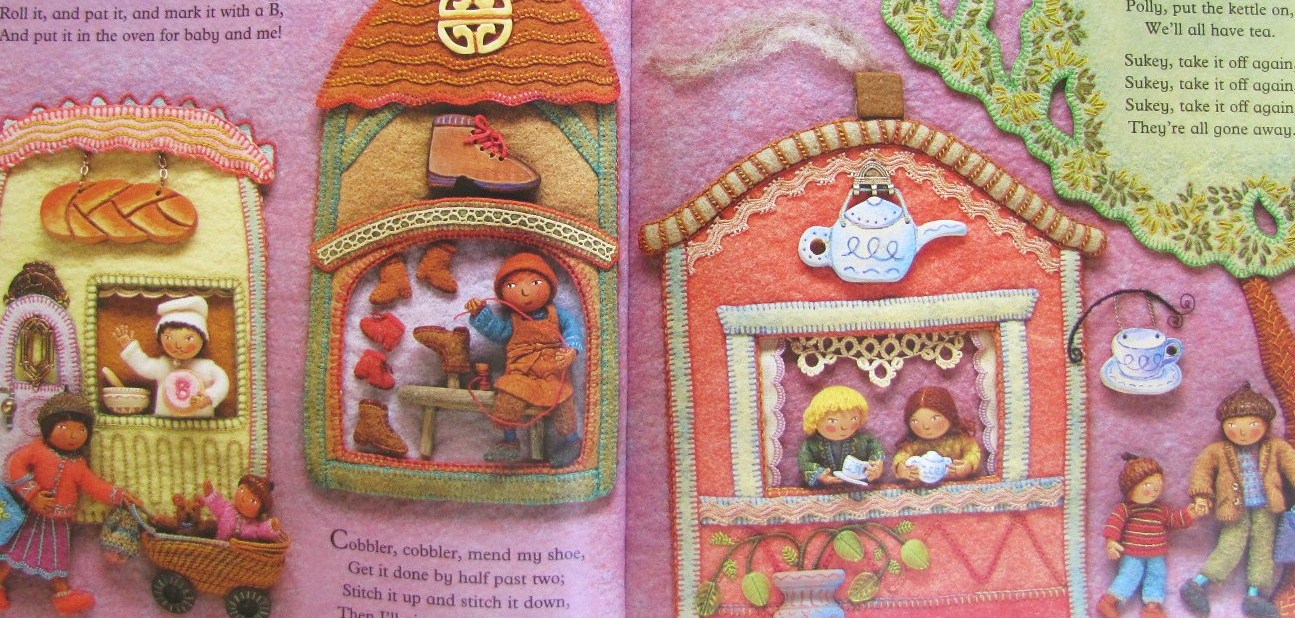
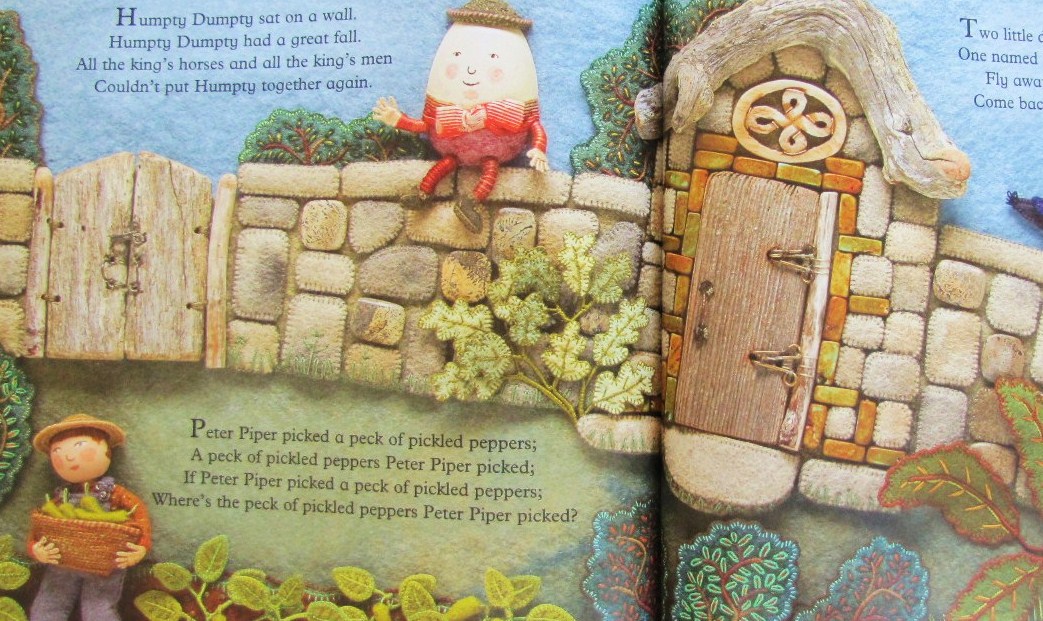
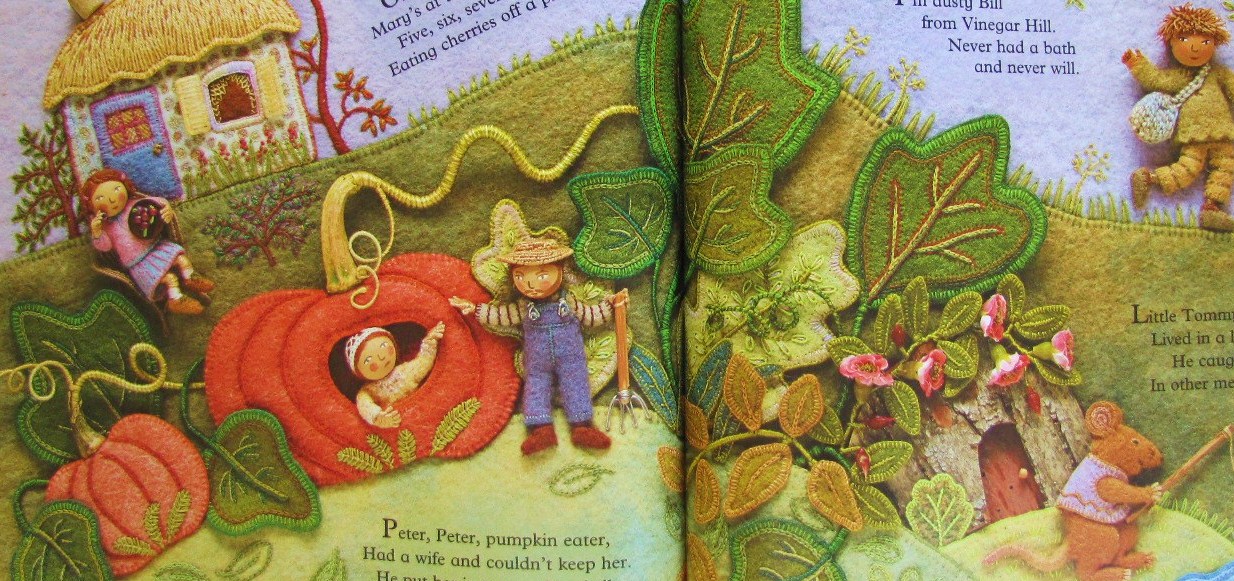
Take a look at this Gallery – there are some great ideas here!
CLICK on the image to open the gallery to full size.
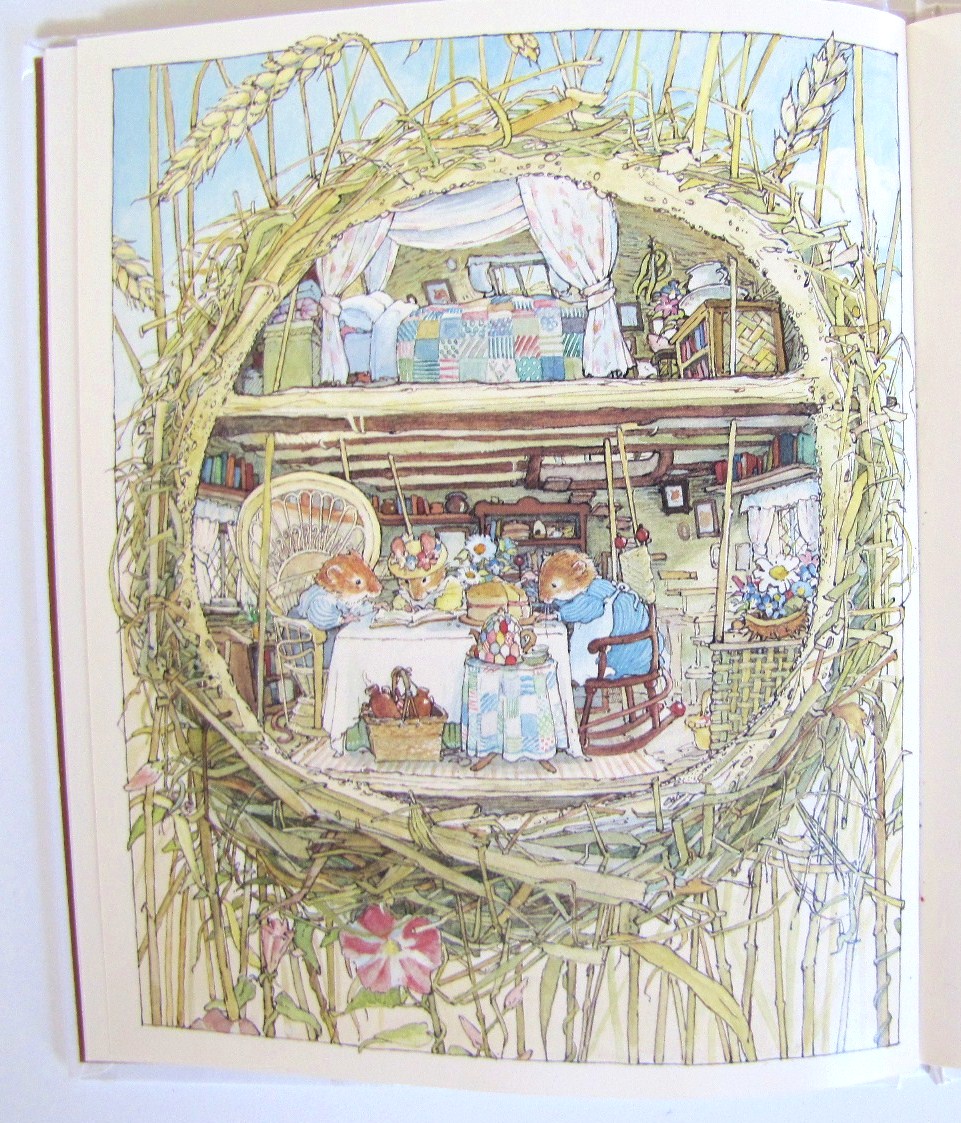
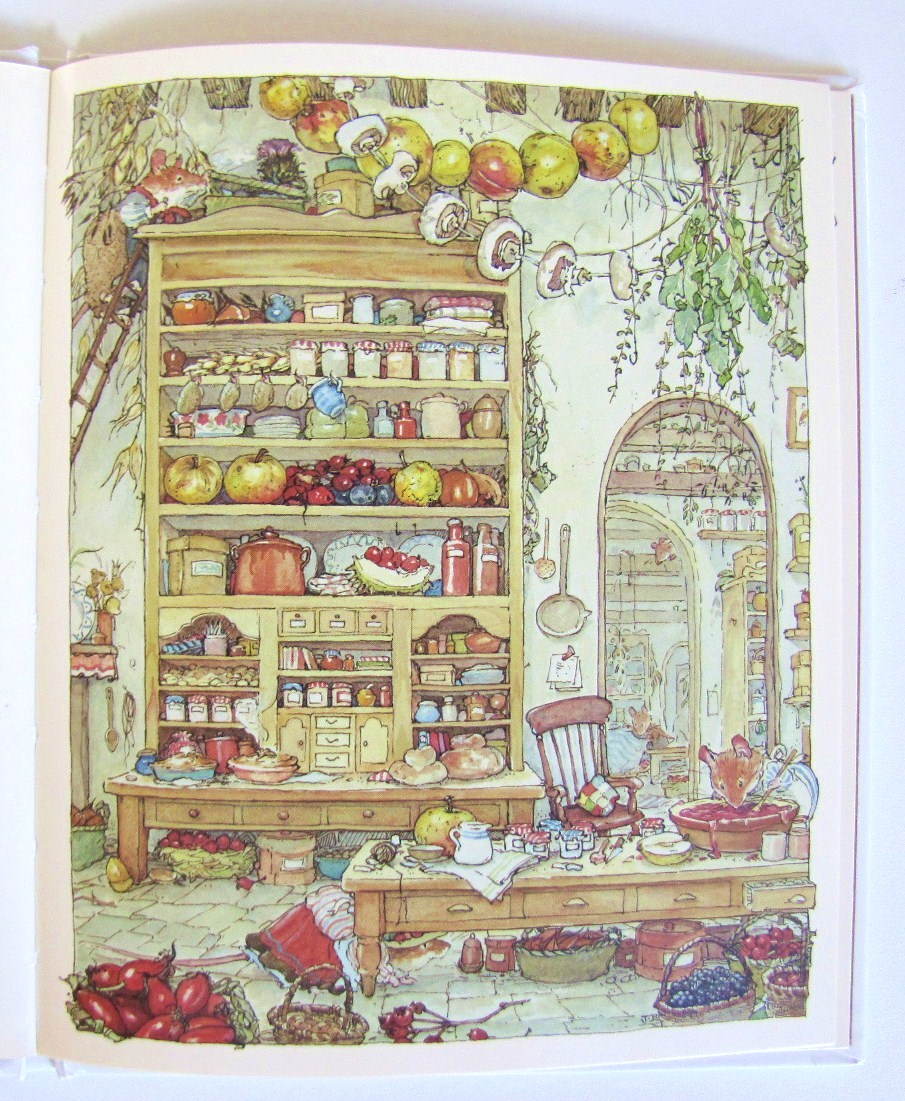
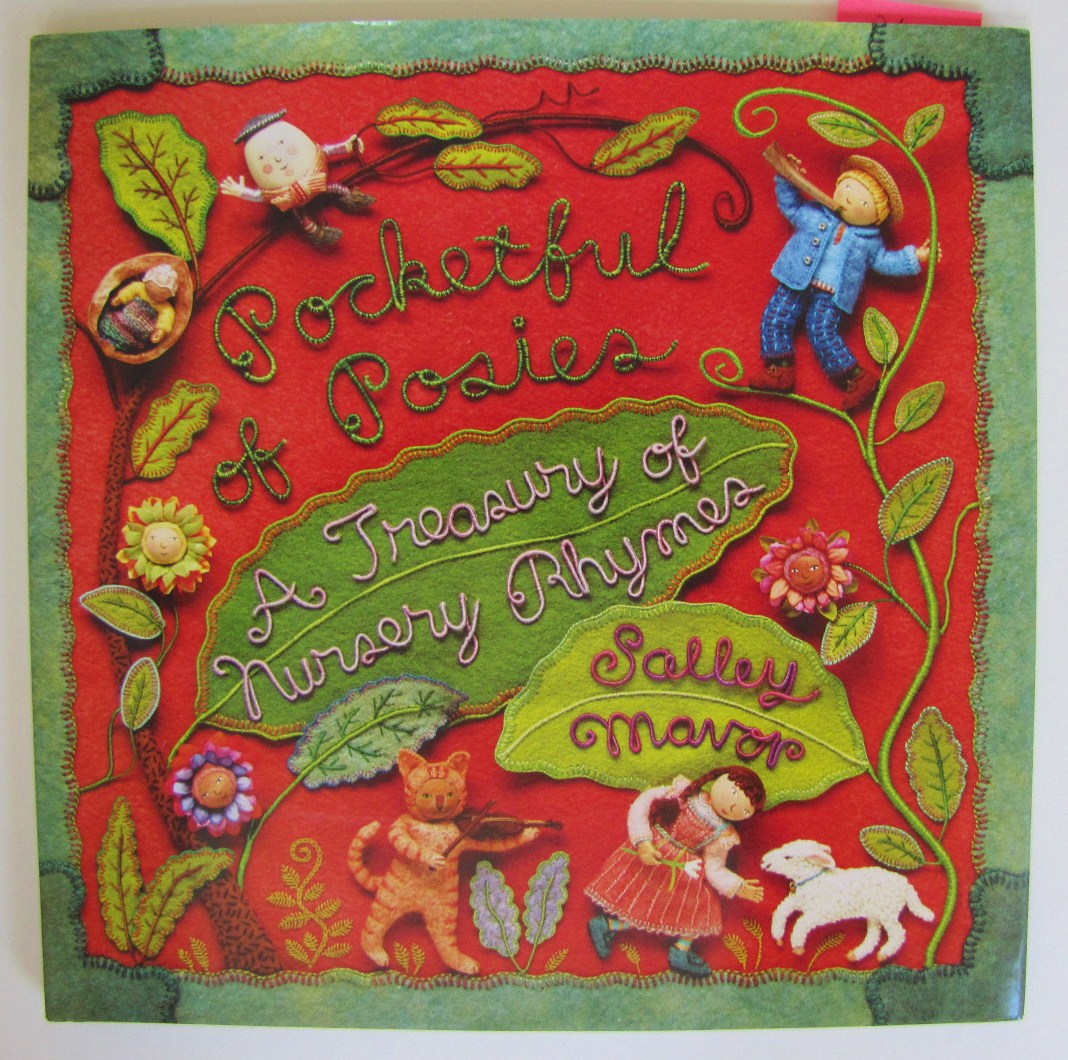
If you can, try to take a few minutes to brainstorm one Build-Upon Project.
See how it feels now that you have so much background information.
The nice thing about this sort of project is that you don’t have to figure it all out at once, you gradually add to it as you & your children are inspired & your skills improve.
Get creative – ONLY you know how it should look !
Lesson 6.2
Placement of
Handwork Projects
.
We’ll now delve into ~
- the 5 elements you should consider when deciding WHERE to place various projects during your teaching year
- why it is important to let a subject sleep
- how handwork sits on the ascending spiral of knowledge
- what types of projects work with varying energy levels during your days, weeks & seasons.
/
First –
Print your Handwork Project Placement Sheet HERE.
.
Next –
Watch Lesson 6.2 (remember to view it full size)
As a bit of inspiration – I’m including this video of an amazing piece of embroidery – the quality of the workmanship is astounding – especially since it was made by an 11 year old girl!
Watch the video HERE
For more information & pictures click HERE
Lesson 6.3
Preparing & Teaching
Handwork Lessons
.
Well, I’ve really gone to town on this one !!
In this part of Lesson 6, you’ll learn almost everything you ever wanted to know about how to prepare & successfully teach a Handwork Lesson.
I took sheets & sheets of notes, a pile of books & everything I know about teaching children then boiled it all down to a few pages filled with MY best ideas & tips. I decided to give it to you in an E-book format rather than a slideshow simply because it would have been really long!
This E-book is a keeper (make sure you print it & save it in your Handwork Sourcebook).
You’ll be able to use much of the information in it everyday for ALL of your lessons!
.
First –
Here’s an overview of what you’ll learn in this E-book.
Some steps to take BEFORE you start to teach.
- Teaching Yourself – Choosing the Skills you Need to Learn & How to Do it
- Timing – Deciding on the “When & How Long” of your lessons
- Environment – Exploring the Where of your lessons
- Tangibles – Preparing the Materials & Tools for your lessons
- Intangibles – Goals & Deadlines
- Advanced Planning – Project Outcomes & Incorporating Handwork into Other Lessons
- The Handwork Faery & Other Helpers
.
Outlines of the 4 types of Handwork Lesson / Sessions along with
ideas on how to teach them in a wholistic, interesting & effective way.
.
- Intro Lesson – Exposing the child to a new skill for the first time
- Integration Lessons – The child learns the new skill
- Practice Sessions – The child internalizes the skill & works on projects
- Refine Sessions – You & the child combine all of the above, working together
- Senses – Adding sensory depth to Handwork Lessons
- BOYS – Ideas for teaching most boys (& some girls) more effectively
- Self-Discipline, Expectations & Mistakes – Dealing with these issues
- Teaching Multi-Aged Groups – School age & pre-school children
.
** BONUS **
.
How to TEACH a NEW SKILL – Step-by-Step
At this point, you’ve invested a fair bit of energy into planning your handwork lessons.
How are you actually going to put all of that hard work to good use by preparing & teaching engaging handwork lessons?
Amazingly, children intuitively know if you feel that these (or any) lessons are worthwhile by absorbing how you’ve set up the space, the materials & tools you’re presenting to them & whether or not you’ve got a plan (even if it’s just a sketch on a sheet).
Transforming a handwork session from a plain old lesson into an handwork experience, takes some thought & strategic preparation.
.
Read on…
Next –
Download & print the one-of-a-kind 21-page E-Book for this lesson HERE.
.
.
.
.
Letting Someone Else
Teach the Handwork Lessons
.
I have one last thought for you to mull over….
Sometimes, no matter how much you’ve practiced, read & tried, you just can’t get the hang of a fibre art or perhaps you find that you really can’t stand it!
Not every fibre art is for everyone, that’s OK!
If you find yourself in this situation, it’s time to sit down & do some thinking. You’ve got to decide how important it is to you for your child(ren) to learn this skill.
If you decide to keep the skill in your lesson plan then you have a bit more planning to do. Children can tell if you aren’t interested, so unless you can summon enough enthusiasm for a few weeks, it’s probably better to have someone else teach them.
Ask a fibre artist (a friend, relative or even a hired tutor) to teach the lessons but first try to explain to them the way in which you want it presented. Not every great artisan is a good teacher, some have long ago forgotten what it feels like to be learning their art for the first time.
.
.
This lesson is very detailed, it is up to you to choose what you’ll use now, later or never.
I wrote it based on my research, my pedagogical beliefs, as well as my professional & homeschooling experience. I have taught adults & children (including 200 boys at a boy’s camp!) many fibre & visual arts. Some of these ideas are “tricks” of the trade while others are things I found worked well with my children at home.
My own homeschool represents almost all of the variables I’ve mentioned here.
I have:
- 2 children (teaching multiple children at once)
- grade one & grade five (teaching different aged children)
- one boy & one girl (teaching different brain types – right & left brain)
- my son is extremely intelligent & works well with his hands, he also has sensory issues (therefore I must tailor many of his lesson experiences to suit his needs)
- my daughter is also extremely advanced for her age (she has absorbed all of my son’s lessons!) & is gifted artistically. I have to work to keep her happily engaged at her age-level without having her feel “left behind”.
The key thing to remember in all of this is to be flexible & have fun.
Yes, these lessons are important but your overall relationship with the child is the MOST important part.
.