
.
.
Lesson 1.1
Welcome
.
Why Handwork Matters !
.
It is so exciting to have you along with me as we embark on this wonderful time together!
This is something totally different, a new way of looking at handwork & thinking about how we bring it to children.
You’ll learn why the art of making things is so very IMPORTANT for them (& us too!) & how to create exciting lessons that will have them asking for more.
.
What inspired this course?
When I first had the idea for this course, I thought that I’d like to share my love of handwork with other people, those who had already found the joys of working with fibre. I also wanted to help anyone interested in learning handwork to take those first baby steps into this wonderful world.
While putting the first session of The Making Lessons together, I was in the midst of teaching my son to purl & my daughter to use a knitting fork. It’s then that I realized what I REALLY wanted to do was to help more children have a chance to experience the amazing feeling of making something themselves.
As I researched handwork more deeply, I found some surprising things about what it can do for your head, heart & hands. I’ll be sharing those with you in this course & so much more.
The other AHA moment I had, was when I read the comments & feedback from my first group of students.
Many were overwhelmed with the very idea of handwork – forget about actually doing it – how do you even know where to start or what to do after those first few projects? Even seasoned “makers” were stopped in their tracks when it came to actually teaching a child how to do crafts that they themselves knew so well.
So, we are going to go step-by-step & you will learn what skills to teach & when to teach them. You’ll also see how easy it can be to come up with your own ideas for projects that inspire you so that you can carry the children along with your enthusiasm.
.
What I hope this course gives you:
A chance to connect with yourself & other creative souls – get advice, share ideas & brainstorm about your challenges.
You are not the only one who wants to include handwork in your children’s lives!
As a parent/teacher, it makes sense to want to inspire them to think with their hands while they engage in the act of creating. You will be amazed how working together can deepen your relationship with your kids AND help them with their academic work.
Watching a child admire their own creation is such a satisfying experience.
So how will it all work ?
A few details…
Where ?
All course content will be posted here – www.TheMakingLessons.com .
You will have received an invitation to join the private FACEBOOK forum (if not – please email me…) – feel free to comment there, share your ideas, ask questions & even post pictures of your (or your child’s) work!
I will jump in from time to time to answer questions & give you a few prompts along the way.
If you’d like to ask me something directly, I will be holding “office” hours on Tuesdays (August 11, 18, 25, September 1 & 8) between 9 – 10 PM, Paris Time.
You can check the time difference by using this World Clock .
Any course notices as well as a full course “Table of Contents” will be posted on the BLACKBOARD page, so you can easily keep track of your progress.
This course site is password protected so that we may enjoy it privately, feel secure in posting comments & images as well as to ensure that only those who have enrolled will have access to the course materials.
.
How & When ?
Each of the 7 Making Lessons will be posted in succession over the next 5 weeks.
I’ll send you an email to let you know when the lesson is posted & ready for you to jump right in.
If you miss a reminder email – that’s OK, just come here & it will all be waiting for you.
You have perpetual access to ALL course information
– so feel free to come back & review whenever you want.
Remember, I’m right here with you – I’m planning my children’s school year right now.
I offer you unconditional support – you can plan any handwork project around any topic
– (chocolate, dinosaurs, princesses, construction, fairies— if you can think of it, you can do it!).
During every lesson, I will collect all of your questions & answer them at the beginning of the next lesson.
So, let’s get Making !
.
Lesson 1.2
What Is Handwork?
At some point, I’m sure you’ve wondered…
What is Handwork ?
Look it up in the dictionary & you will see something like this :
handwork [ˈhændˌwɜːk]
n work done by hand rather than by machine
.
I prefer to hold a much wider & exciting view of such an important part of my children’s life !
As a serial “handworker”, I naturally incorporated creative projects into their days from the time they stopped putting inedible objects in their mouths.
It took a while to sort out what I wanted to do with my kids & when various projects would be developmentally appropriate. Wanting to avoid unnecessary frustration in the house & ensure that their love of working with their hands kept growing – there was no point subjecting them to unrealistic expectations on my part – it made sense do some research on the subject.
When I first learned of Waldorf education, I was drawn to Rudolf Steiner’s views on the intellectual as well as aesthetic values of handwork & the arts in general.
In fact, they may have been the MAIN reasons why I jumped on the “waldorfian”-wagon ten years ago!
As an educator & philosopher, he wrote hundreds of articles & gave many lectures.
(NOTE : Although my primary method of teaching is based on the Waldorf method, I combine it with other methods & inspirations quite often. Please know that I am open to ALL teaching methods.)
In an attempt to distill the true essence of my handwork point-of-view, I spent a lot of time thinking & reading about handwork, design & creativity before shaping our homeschool curriculum.
Here is my definition in a nutshell.
.
Handwork is fibre-based.
.
Now, some may say, “…but what about this craft or that technique ?”
The way I see it, it is nearly impossible to neatly extract handwork from handcrafts or the visual arts. Of course they are interconnected (think of sewing the pages while bookbinding or printing fabric with paints) BUT in general, handwork is based upon the use of soft, natural fibres.
So, if you’re planning a creative project that includes manipulating or embellishing some form of fibre or textile then you can pop that one right into the Handwork section of your curriculum.
.
.
Meet & Greet
.
Ok, we have an idea of the broad scope of what will be covered in the course
– now let’s talk about who’s taking it !
Who are you ?
I know a bit about you – you live all over the world, teach children (who are your own little ones or your students) & are interested in handwork.
Already, some of you have mentioned that you wish you were better at a particular skill or that you feel you don’t know anything about handwork at all.
That’s fine – we’ll address your skill levels in an upcoming lesson. You just have to be a little bit ahead of your children to teach them – not a professional knitter or spinner for them to enjoy learning & making with you!
A note for those of you who have young children (less than 4 years) – I am aware that you are most likely not following a set curriculum for your children. You will still be able to bring handwork to them, but at a much simpler level & gentler pace.
Think of this time as their warming up period – so that when their minds & hands are ready for the more advanced techniques they’ll be ready to go ( & you’ll have had lots of time to try things out & figure out what you really enjoy !)
One of the great things about being part of this course is that it is LIVE!
That means that what you say & ask will help me tweak the course to suit you all. I have received some emails from you telling me how old your children are & a bit about yourselves. To make this course really sing, it would be great if you all sent me a few simple details about you & the children you will be teaching.
Take a moment & tell me the following:
- the age & gender of the children you’re teaching
- the curriculum(ae) you follow (if you have one!)
- what country you’re in
- your favourite fibre art
(Just fill in the form & click SUBMIT)
.
A Bit About Me
Tips & Tricks
SECTIONS
As I mentioned above, every lesson is broken down into smaller Sections – that way you can read/watch/look at them in a short time – or wait until the end of the lesson & look at it all together. You pick.
.
TIME
The amount of time you spend on each lesson will depend entirely on you. Some lessons are a bit shorter & others will be a bit more challenging. I will post exercises, forms, calendars, activities & an e-book for you to really get you thinking about how you can include handwork in your children’s lives.
.
FOCUS
Try to set aside some time to focus ON the lesson (that means limit distractions as much as possible – like your cell, Facebook, emails coming in, children too if you can…) – you will absorb so much more if you aren’t multi-tasking.
.
PREP
Consider your time spent here as a little treat for yourself – so make sure you’re comfortable, have a favourite drink nearby as well as a notebook & pen. Each lesson is quite short so you can afford to sink into it before getting on with your day (or, if you’re like me – evening!)
.
QUESTIONS
While you’re working through a lesson, make a note of any questions you may have & post them on the forum right away before you forget! Between lessons, I will check in to answer questions along the way & will be there during my office hours on Tuesdays during the LIVE portion of the course.
.
IDEAS
*** If you have a great idea that you think would help everyone else, please just post it on the forum.
As you go through the course, you will encounter lots of new ideas, many of them will be transferable to other areas of your teaching. That’s a good thing – but for now – try to keep yourself focused on handwork.
Once you get used to using some of these new methods & the ideas really sink in – you’ll easily be able to apply them to math, language & other areas of your children’s curriculum.
.
Fine Print…
I would appreciate it if you check with me first before pinning, re-posting or sharing any course materials or images. All content which I provide during The Making Lessons is copyrighted to me, Elizabeth des Roches. Also, I will not post any of your comments, feedback or images online without your consent.
Lesson 1.3
Why Handwork Matters
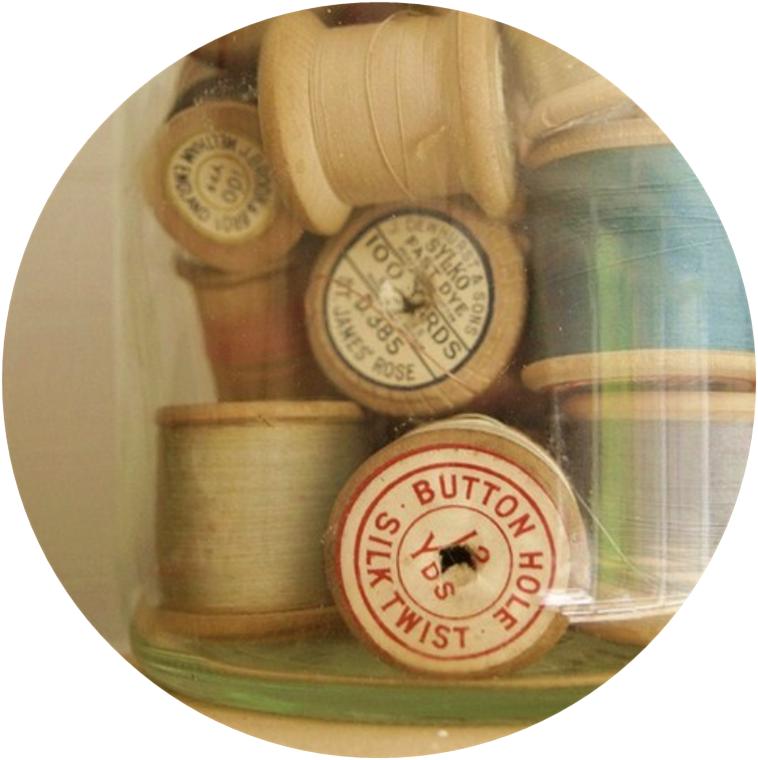
You would think that this would be an easy question for me to answer, considering that I’ve been doing it for 40+ years.
Maybe that’s exactly why it’s taken me so long to figure out how I feel about it!
Here is your first slideshow – it tells my “Handwork Story” & gives you some of the most up-to-date information about the amazing benefits of handwork!
Find out Why Handwork Matters – (make sure you expand the video to full screen with HD on)
Hands-On
Activity
Now here’s the part you’ve been waiting for !
It’s time to start your
Handwork Source Book !
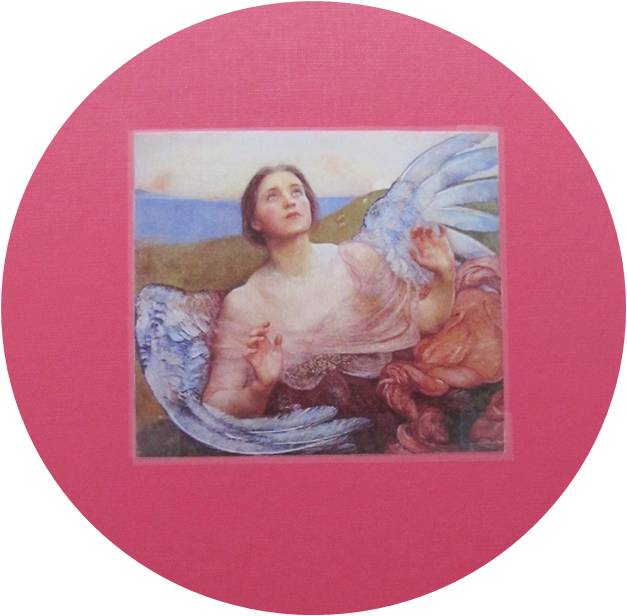
.
It’s pretty easy actually – all you need is a nice binder & some blank paper.
Print, collage or draw an image for your title page – something that will inspire you every time you open the book.
This is for YOU…. so make it feel & look like you.
I’ll be opening up the course Gallery soon where I will be posting some of what I’m doing along with you,
as well as any of your work that you’d like to share with the class.
.
Seeing other student’s work makes such a difference, it makes the course feel more alive (almost like we’re all in the same room) – why not take a chance & send me some pictures of your Handwork Source Book?!?
We’ll go into more detail about just what you’re going to put in it in Lesson 2.
.